
United States Department of Agriculture
AgResearch Magazine


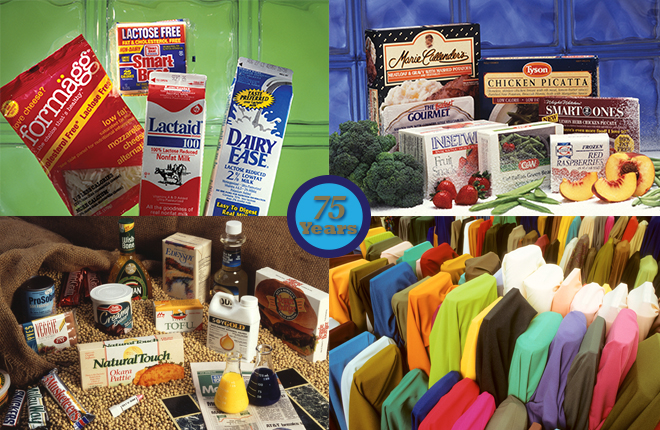
Many consumer products and technologies have come out of ARS' Utilization Centers.
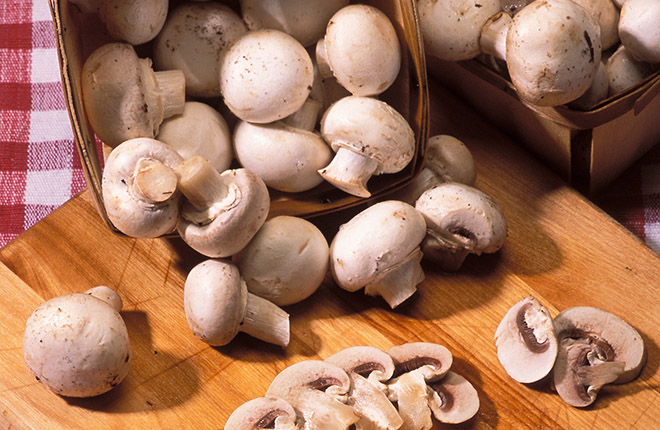
ARS scientists developed a way to increase the vitamin D content of mushrooms. (Stephen Ausmus, K10101-1).
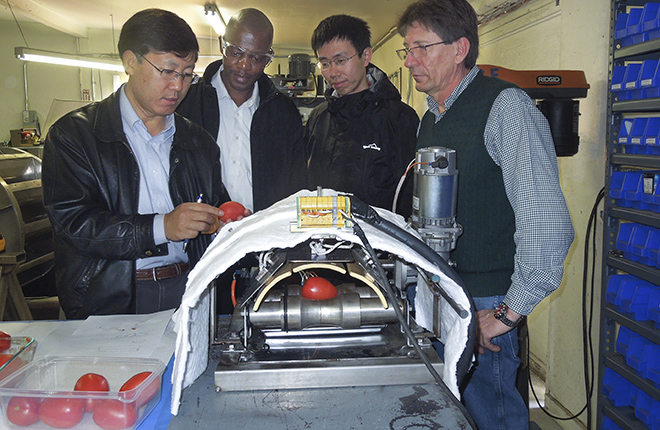
WRRC research team members test prototype infrared peeling equipment on tomatoes. (Z. Pan Laboratory, D3358-1).
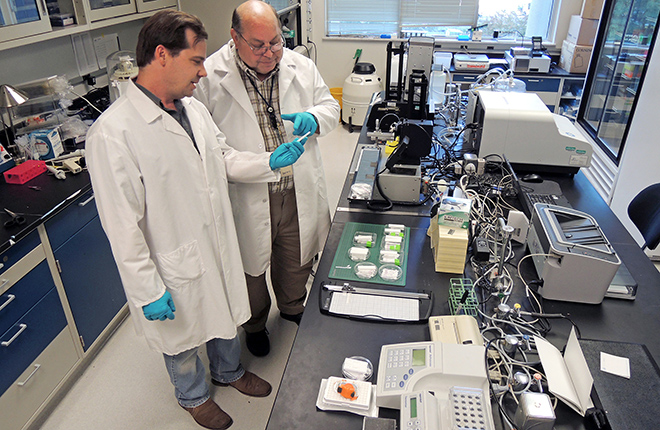
WRRC scientists examine new devices that can identify botulinum toxin serotypes. (Alice Lin, D3098-1).
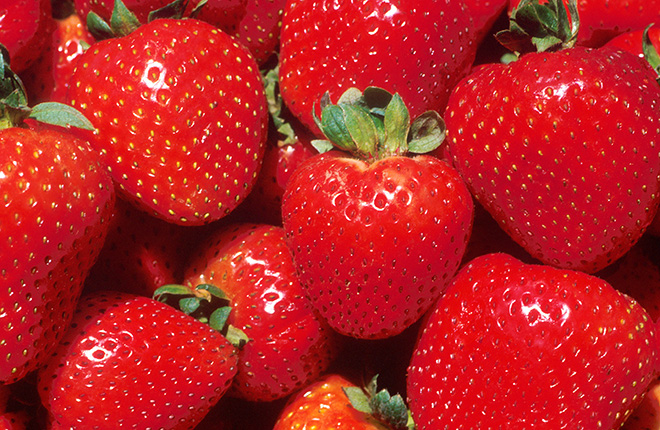
Strawberries. (Brian Prechtel, K9189-1).
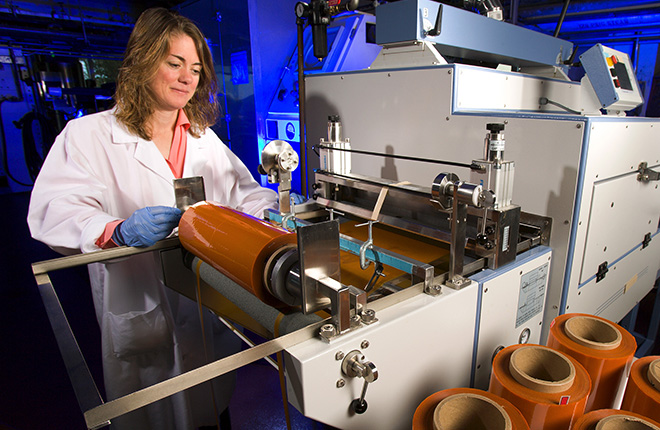
Tara McHugh, research leader for the Processed Foods Research Unit, casts carrot wrap into rolls. (Peggy Greb, D1148-1).
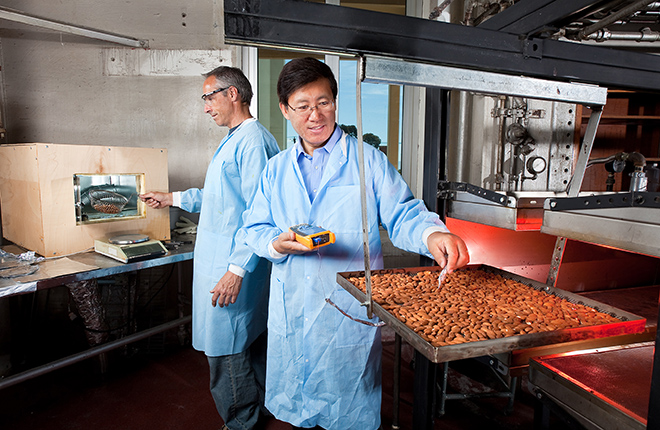
In Albany, California, research engineer Zhongli Pan (right) and food technologist Don Olson conduct almond pasteurization tests using infrared heating and a hot-air roaster. (Stephen Ausmus, D2408-9).
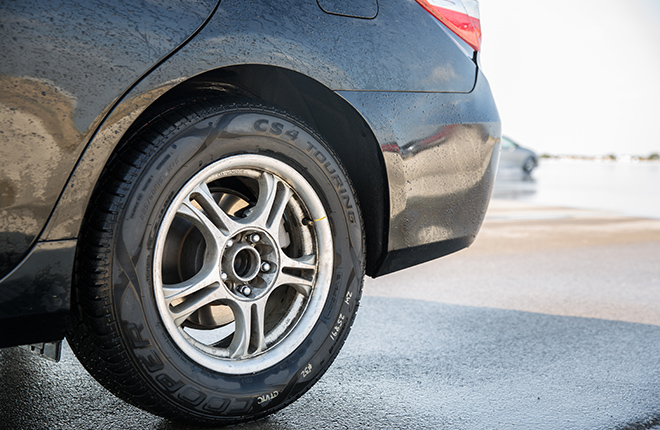
ARS scientists are working cooperatively with industry and university partners to develop tires made from guayule, a desert shrub.
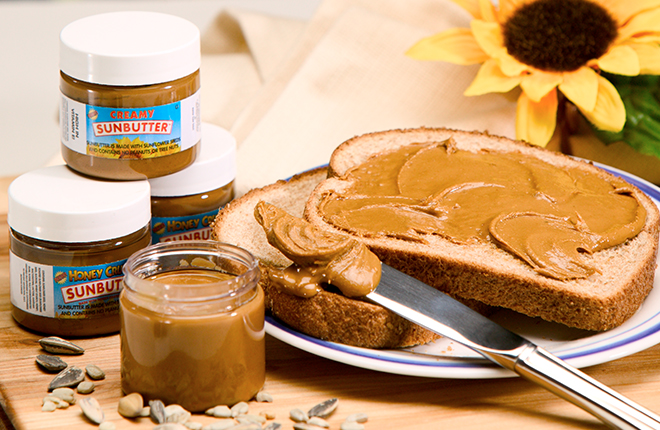
Sunbuttter. (Stephen Ausmus, D262-12).
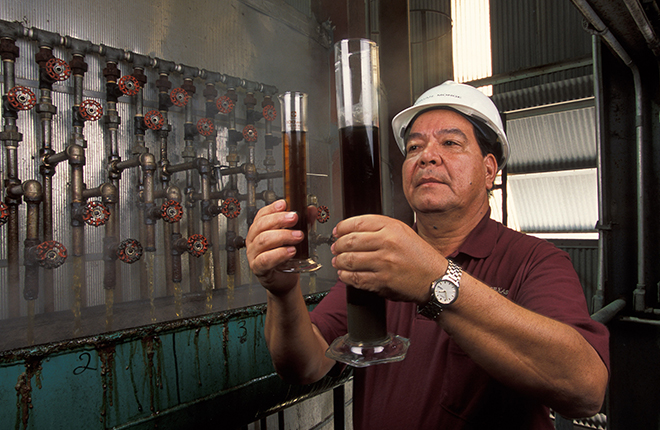
A production manager inspects clarified juices extracted from sugarcane stalks. (Peggy Greb, K10661-1).
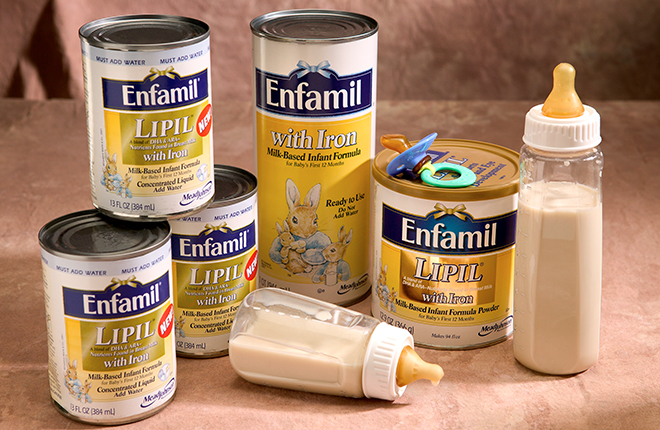
Infant formulas made with DHA, an omega-3 fatty acid. (Stephen Ausmus, D211-1).
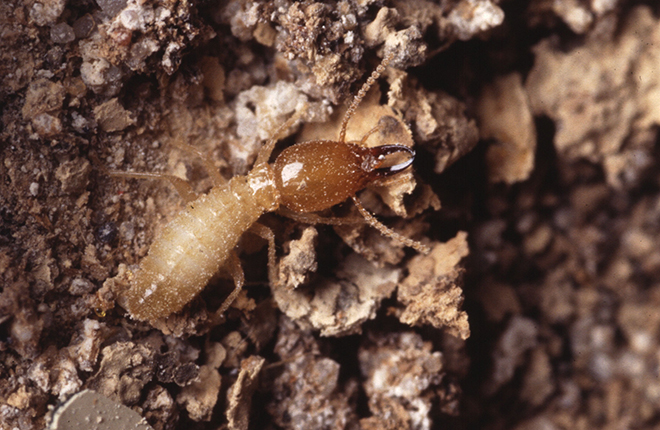
A Formosan subterranean termite soldier. (Scott Bauer, K8085-4).
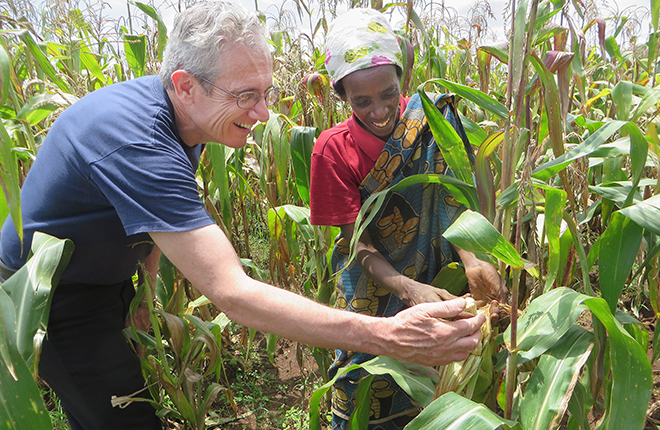
In Berundi, Africa, ARS scientist Peter Cotty (left) and a worker examine corn in a field where a biocontrol agent has been administered. (D3486-1).
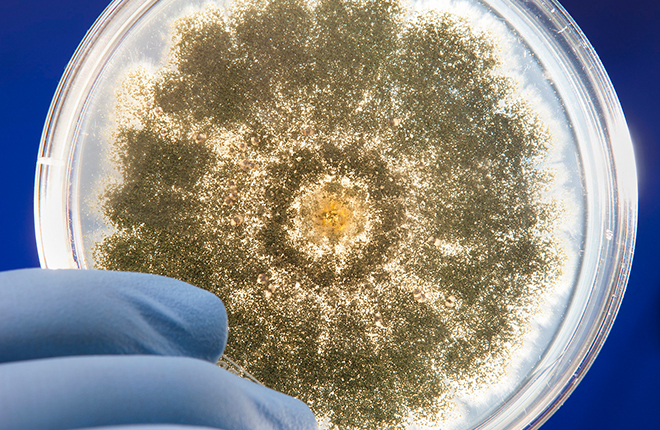
A petri dish containing the fungus Aspergillus flavus. This fungus is a concern because it produces carcinogenic aflatoxins, which can contaminate certain foods. (Peggy Greb, D2162-1).
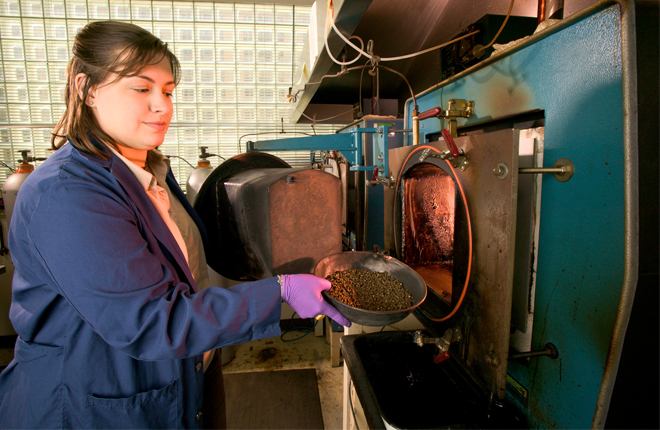
At SRRC, a technician places poultry litter pellets into a furnace to make biochar via slow pyrolysis. (Stephen Ausmus, D114-17).
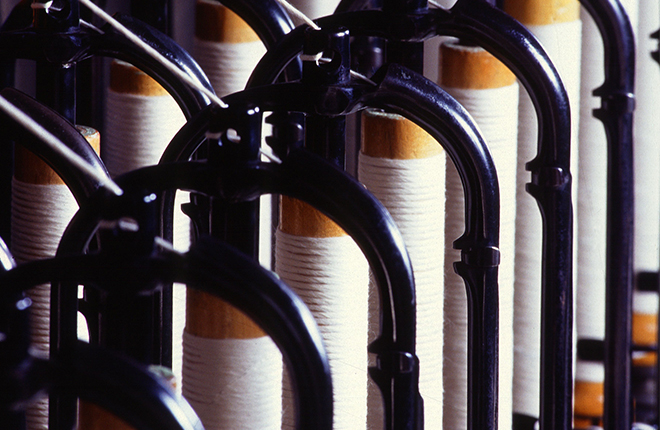
Cotton fiber spooling. (Scott Bauer, K7278-2).
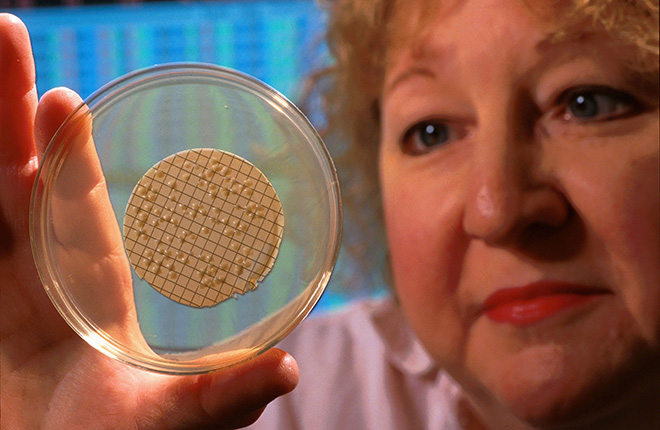
A laboratory technician uses DNA sequence analysis to accurately identify yeasts in the ARS Culture Collection. (Keith Weller, K8555-11).
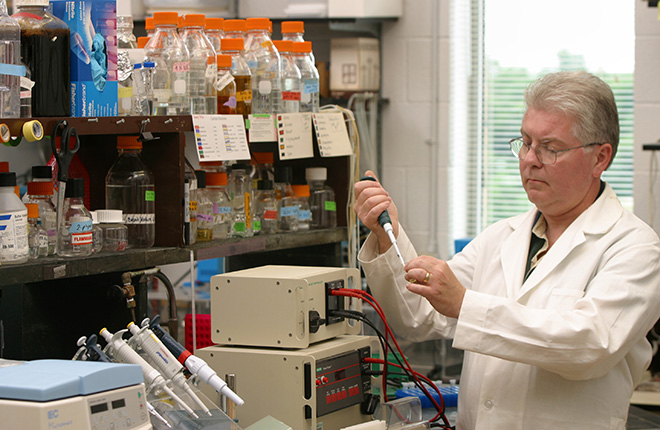
A scientist prepares food-grade enzymes from a cultured strain to convert agricultural sugars into a slow-release sweetener. (Scott Bauer, D3488-1).
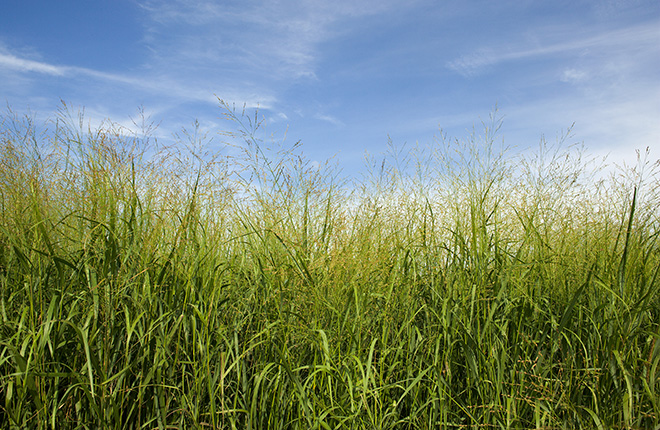
Elite bioenergy switchgrass. (Peggy Greb, D750-1).
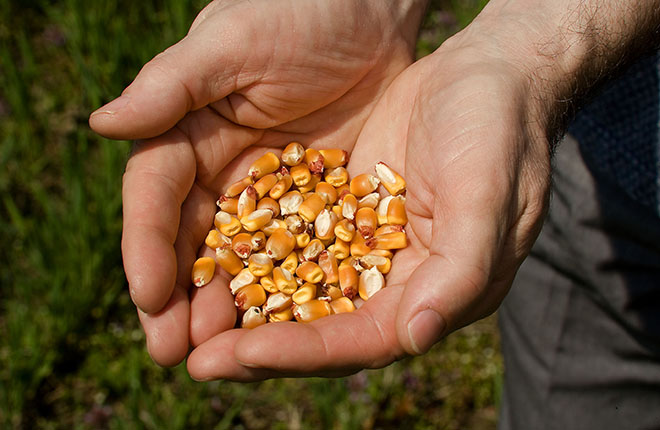
Ethanol can be produced from corn grain. (Stephen Ausmus, D1156-8).
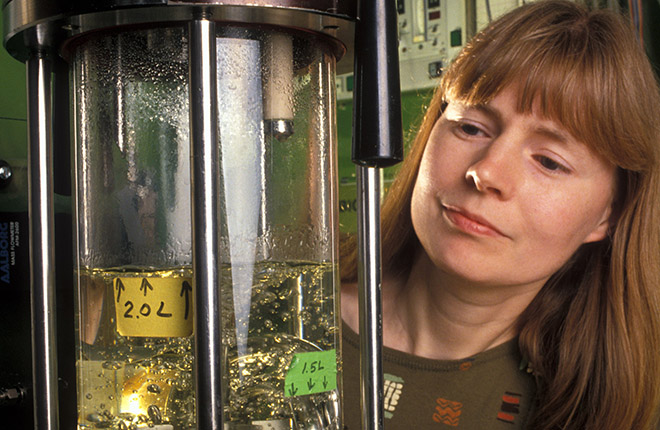
To mass-produce Pseudomonas fluorescens bacteria, a researcher prepares a culture medium in a fermentor. (Keith Weller, K5968-1).
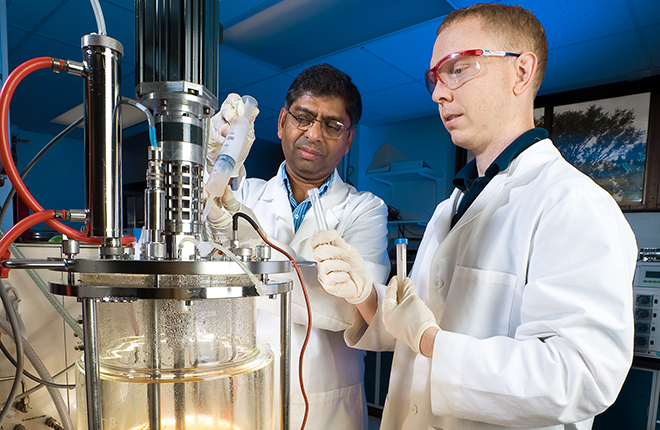
Scientists collect a sample of a fungal culture as part of their research on ethanol fermentation. (Stephen Ausmus, D1711-4).

ARS helped develop a soy-oil-based hydraulic elevator fluid that was evaluated in the elevator in the Statue of Liberty on Ellis Island, New York. (Kevin Daley, National Park Service, D3489-1).
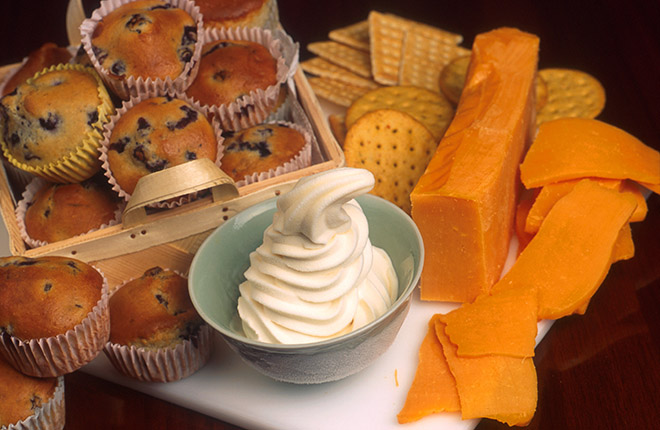
Low-fat muffins, soft-serve ice cream, and cheddar cheese produced with FanteskTM, a natural product made from starch, water, and one or more oils. (Keith Weller, K9258-1).
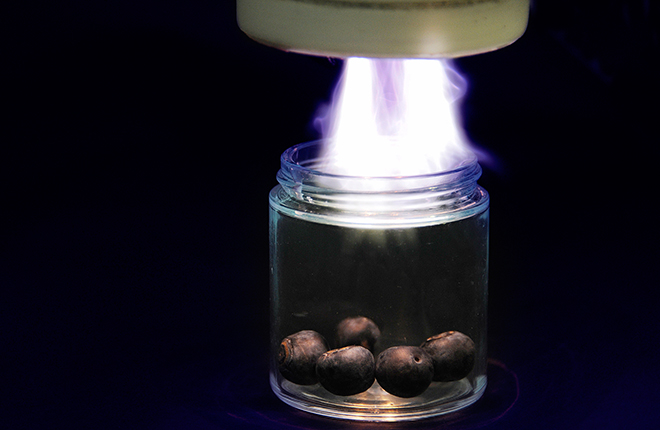
ERRC scientists are working on using ionized gas molecules, also known as “cold plasma,” to kill microbes on fruit, such as the treatment of blueberries in this photo. (Joseph Sites, D3492-1).
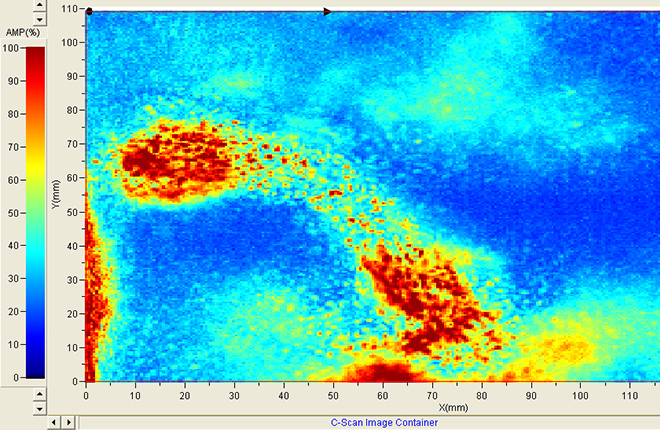
ERRC scientists developed techniques to use airborne ultrasonic imaging on leather and hides to reveal defects (shown in red) earlier than previous methods. (Cheng-Kung Liu and Nick Latona, D3491-1).
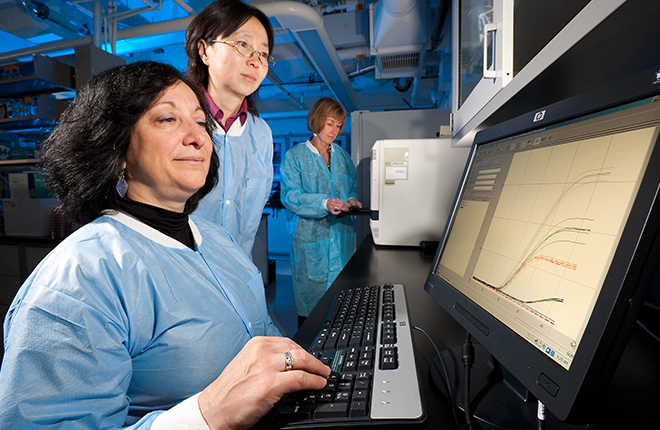
In efforts to develop new techniques to quickly and reliably identify pathogenic E. coli serogroups, microbiologist Pina Fratamico (left) and molecular biologist Yanhong Liu (center) view real-time PCR results from study samples as microbiologist Lori Bagi loads a thermal cycler with more samples for testing. (Stephen Ausmus, D2156-1).
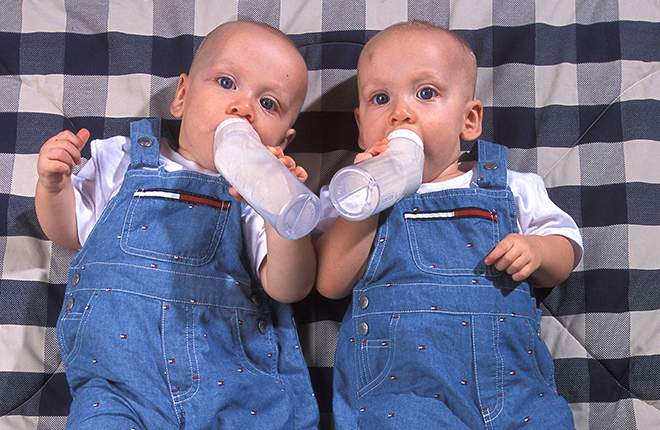
ERRC scientists developed predictive models to help regulatory agencies in risk assessments of powdered infant formula exposed to various conditions. Here, 8-month-old twin boys enjoy drinking bottles of infant formula. (Stephen Ausmus, K10902-1).
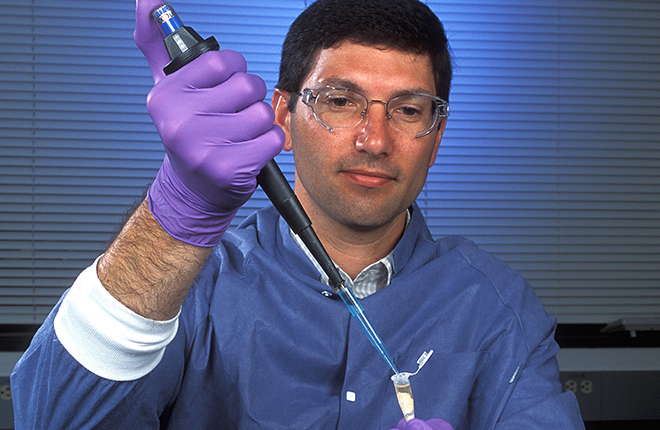
Chemist Steve Lehotay prepares extracts of fruits and vegetables for analysis of pesticide residues.(Stephen Ausmus, K11684-1).
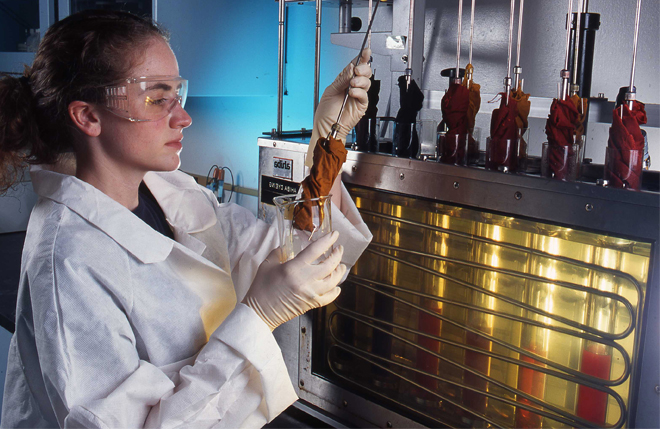
A technician dyes samples of a wool/cotton blend fabric. (Peggy Greb, K9140-1).
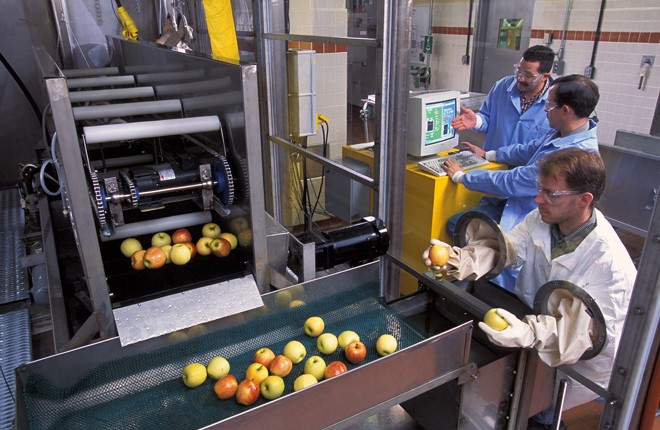
Apples exit a flatbed brush washer within a containment chamber at ERRC’s biosafety level-2 pilot plant. (Peggy Greb, K9821-1).
